Retro Sign: A Vintage Font with Old Game Charm
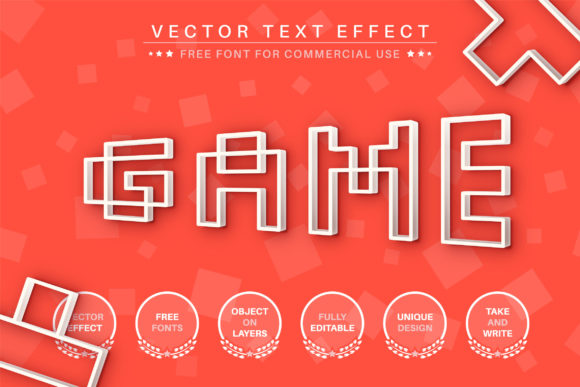
There's a specific kind of nostalgia that hits when you see pixelated text from an old arcade screen or the bold, weathered lettering on a vintage diner sign. It’s a feeling of authenticity, of a story being told in a style that’s instantly recognizable. That’s the power a typeface like Retro Sign taps into. This isn't just another font; it's a design tool crafted to evoke the gritty, pixel-perfect aesthetic of classic video games and the hand-painted signage of decades past, all while offering the crisp, scalable quality needed for modern projects.
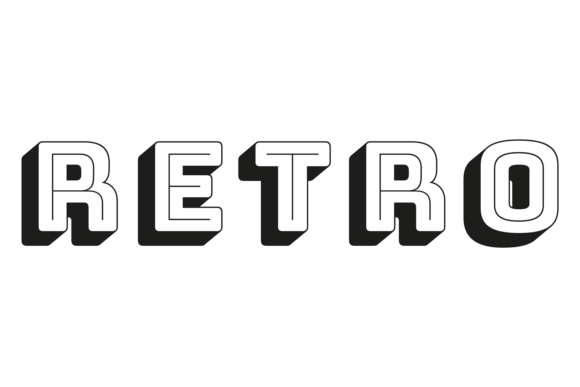
For designers, entrepreneurs, and creators, finding a font that bridges a beloved visual style with practical application is gold. Retro Sign delivers exactly that. Its character shapes are built on the blocky, confident forms of 8-bit and 16-bit typography but are refined with subtle details—a slight unevenness in the baseline, a texture that mimics screen printing—that prevent it from looking like a generic pixel font. It feels authentic without being illegible, nostalgic without being kitschy. Whether you're building a brand identity for a retro-themed café, designing a poster for an indie game launch, or crafting social media graphics for a vintage clothing line, this typeface provides a solid foundation with heaps of personality.
Where Nostalgic Typography Meets Modern Branding Needs
The real value of a font like Retro Sign lies in its versatility across applications. Think beyond the obvious. Yes, it’s perfect for a logo that needs to scream "arcade" or "vintage," but its strength is in creating a cohesive visual language. For a small business, using this display font consistently across your website headers, packaging, and Instagram stories builds a memorable identity. Customers begin to associate that unique typographic voice with your products, whether you're selling artisanal hot sauce with a retro label or running a blog about classic gaming culture.
Consider the practicalities. The font family often includes multiple styles—perhaps a bold weight for headlines, a regular for subheads, and even an outline or distressed variant for special effects. This allows for hierarchy and variation within a single project while maintaining absolute visual consistency. For logo design, you might use the boldest weight to create impact. For body text on a website, you'd pair it with a clean sans serif font or a simple serif font to ensure readability. The key is that Retro Sign acts as the star player, giving your project its distinctive voice, while supporting typefaces handle the heavy lifting of longer text blocks.
From Screen to Shelf: Practical Applications for Every Creator
Let's break down where this vintage font can truly shine. For packaging design, imagine a craft beer can or a box of artisanal coffee. The textured, old-game style lettering instantly communicates a handcrafted, authentic feel, setting it apart from sterile, modern designs on the shelf. In editorial design, it can make magazine feature headers or book chapter titles pop with energy, especially for publications covering music, film, or pop culture history.
Digital applications are equally compelling. For social media graphics, a bold, retro-styled headline grabs attention in a crowded feed. It’s perfect for announcing sales, new product drops, or event promotions with a fun, energetic vibe. On a website, use it for hero section titles or button text to create immediate engagement. The font’s character makes it an excellent choice for digital products like printable planners, game UI assets, or themed invitation templates sold on marketplaces like Etsy.
Don't overlook the power of merchandise. T-shirts, mugs, and stickers featuring witty phrases set in a font like Retro Sign become instant hits with the right audience. The typeface does half the marketing work, conveying the product's niche appeal at a glance. For marketing assets—think email headers, sale banners, or promotional flyers—it injects personality and cuts through the visual noise of everyday advertising.
Making It Work: Pairing and Readability Tips
Using a creative font with this much personality requires a bit of strategy to avoid overwhelming a design. The golden rule is contrast and balance. Pair your retro headline with a neutral, highly legible body font. A simple geometric sans serif like Montserrat or a classic serif like Lora can provide a clean counterpoint, letting the vintage style stand out without causing eye strain.
Always test your font pairing in context. How does the combination look on a mobile screen? In a printed brochure? Readability is paramount, especially for crucial information like contact details or product descriptions. Use Retro Sign sparingly for key elements—logos, headlines, pull quotes—to maximize its impact. Its strength is in short, high-visibility bursts.
Before purchasing any premium font, review the full character set and included files. A well-designed package like this should come with multiple formats (EPS, JPG, SVG, transparent PNG) for flexibility, and clear commercial licensing information. Understanding the license is critical if you're using the font for client work, merchandise, or digital products for sale. Most reputable foundries offer licenses that cover these uses, but it's always your responsibility to check.
Ultimately, a typeface is more than just letters on a screen. It's a voice. Retro Sign offers a voice that’s warm, familiar, and charged with a specific kind of creative energy. It’s for the designer who understands that sometimes, the best way to move forward is to look back—with a pixel-perfect, stylistically savvy lens. When you match this font to the right project, you're not just choosing a style; you're crafting an experience that resonates.