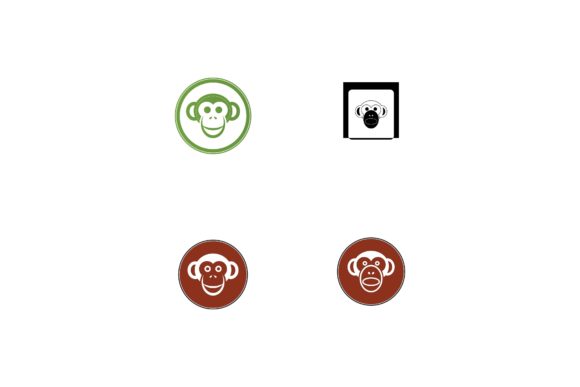
Monkey Logo: Capturing Playful Primate Energy
The Versatility of the Primate Visual
When we talk about animal logos, the monkey occupies a unique space. It is simultaneously a symbol of the jungle and a symbol of high intelligence. This makes the "Monkey Logo" concept incredibly adaptable. You can lean into the cartoon aesthetic with bright colors and a happy expression to create a welcoming brand identity for a daycare or a toy store. Conversely, you can stylize a gorilla or silverback into a geometric or abstract mark to represent strength and dominance for a fitness brand or a security firm.
- The Tech Geek: A monkey wearing glasses or a headset. This works perfectly for IT support, coding bootcamps, or gaming teams. It suggests "smart" and "connected."
- The Hipster Ape: A chimp with a fedora, a bow tie, or a pipe. This lends a vintage or retro vibe, ideal for a coffee shop, a barbershop, or a craft brewery.
- The Mascot: A fierce, screaming face for sports teams or e-sport leagues. This utilizes the power and danger aspect of the animal, often rendered in bold reds and blacks.
- The Cute Companion: A smiling, simplified monkey face for kids products, pet shops, or education apps. Think soft curves and pastel colors.
The visual language of the monkey is rich. You can play with elements like bananas, jungle leaves, or tools to add context to the symbol. Because the animal is so expressive, the logo can convey emotion—joy, anger, curiosity—far more effectively than an inanimate object.
Practical Applications for Your Brand Identity
A monkey logo is rarely just a standalone icon. It becomes the cornerstone of a brand identity. Once you have your vector illustration, you need to deploy it across various touchpoints to build recognition. Here is how this design translates across different mediums.
Digital Presence and Social Media
In the digital realm, a monkey icon is highly scalable. Whether it is a favicon on a browser tab or a profile picture on social media, the distinct silhouette of a primate remains recognizable. For social media graphics, a playful monkey character can be used as a sticker or a watermark. If you run a blog about lifestyle or travel (perhaps with a focus on Africa or Asia), a monkey sketch can serve as a charming visual separator in your editorial layouts.
Packaging and Merchandise
If you are in the food and beverage industry, specifically juice bars or tropical fruit distribution, a monkey logo is a natural fit. It instantly communicates "natural," "tropical," and "fun." For merchandise like T-shirts, stickers, or tattoos, a detailed line art or silhouette of a monkey works best. It needs to look good printed on fabric or adhered to a laptop lid. A vector file is essential here, ensuring the design can be scaled up for a poster or down for a label without losing quality.
Print and Invitations
Don't overlook the charm of a monkey in print design. For a zoo membership card, a birthday invitation, or even Christmas cards (think "see no evil" monkeys or chimps in winter gear), the design adds a layer of whimsy. A badge style logo works well for certificates or achievement stickers in an educational context.
Choosing the Right Style: From Flat to Fierce
The success of your design depends heavily on the style you choose. The keyword list for this niche is vast, ranging from flat design to intricate engraving styles. Here is a breakdown of how to match the style to your goal.
Modern & Minimalist: Use clean lines, negative space, and a limited color palette (black and white). This is perfect for tech companies and modern startups. It feels professional and sleek.
Hand-drawn & Sketch: This style retains the rough edges of a pencil or pen. It feels organic and personal. It is excellent for indie brands, organic food products, or artistic portfolios. A sketch of a chimp feels approachable and honest.
3D & Realistic: While harder to animate or print on certain materials, a realistic rendering of a gorilla or orangutan conveys seriousness and gravitas. This is often used for conservation organizations or high-end wildlife photography brands.
Cartoon & Mascot: This is the most versatile for consumer goods. A mascot builds a relationship with the audience. You can give the monkey a name, a costume, and a backstory. This works wonders for gaming teams, sports clubs, and family-friendly businesses.
Color Psychology and Typography Pairing
A monkey logo rarely stands alone; it needs typography to complete the logotype. When pairing fonts with your primate graphic, consider the animal's energy.
If your monkey design is aggressive or fierce (like an angry gorilla), pair it with bold, condensed sans-serif fonts. These fonts have a heavy visual weight and command attention, suitable for sports or action branding.
If the design is cute, happy, or fun, look for rounded sans-serifs or playful display fonts. These mimic the soft, curvy shapes of a cartoon monkey.
For a smart, nerd, or geek aesthetic, consider monospaced typewriter fonts or clean, technical sans-serifs. This juxtaposition of a wild animal with structured, computer-like text creates an interesting visual tension that works well for tech blogs or coding communities.
Color is equally critical. Brown and earth tones ground the logo in nature. Bright yellows and oranges suggest energy and playfulness (and hint at bananas). Red can signify danger or power, often used in sports logos. Black and white creates a timeless, sophisticated look suitable for fashion or editorial design.
Final Thoughts on Visual Communication
Ultimately, a monkey logo is a tool for communication. It tells your audience that your brand has personality. It breaks the ice. Whether you are creating a badge for a local sports team, designing a sticker for a laptop, or building a full brand identity for a new startup, the primate offers a rich canvas. By focusing on the right style—be it vector, silhouette, or illustration—and pairing it with complementary typography, you create a visual asset that is not only memorable but deeply engaging. It is about taking a recognizable symbol of the wild and adapting it to tell your specific story.