Kids Zone Blocks: Unlocking Playful Branding Potential
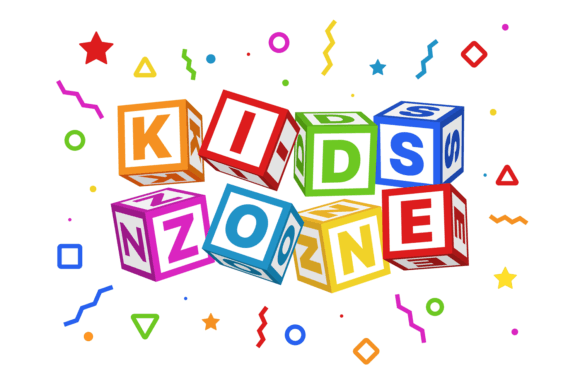
Imagine a child’s playroom brought to life in typography. That’s the immediate feeling you get when you encounter Kids Zone Blocks. Color Geometric Elemen. This isn’t just a typeface; it’s a visual toolkit bursting with energy, designed to instantly communicate fun, education, and safety. For anyone tasked with creating an identity for a space or product aimed at children—from a daycare center logo to a line of educational toys—finding a design asset that balances whimsy with clarity is a constant challenge. This particular display font, complete with its colorful geometric elements, solves that by building a vibrant visual language right into the letterforms and accompanying shapes. It’s the kind of creative font that makes a designer’s job easier because it arrives with a built-in personality, ready to anchor a brand identity for anything from a local playground sign to a global children’s app interface.
More Than Just a Font: A Built-In Design System
What sets this asset apart is that it’s a premium font package with a clear mission. The core typeface, "Kids Zone Blocks," uses a chunky, rounded sans serif structure that feels safe, approachable, and incredibly readable at a glance—perfect for a sign board or a poster headline. But the real magic is in the "Color Geometric Elemen" component. Think of these as the building blocks of your visual story: circles, squares, triangles, and abstract shapes rendered in a coordinated, playful color palette. These aren’t just decorative; they are functional design assets. A content creator can use a triangle as a bullet point on a blog post about child safety. A small business owner can arrange the cubes to create a unique border for their menu. The geometric elements allow you to extend the font’s aesthetic into every corner of your project, ensuring a level of visual consistency that’s hard to achieve by mixing disparate resources. It turns a simple logo into an entire brand identity system.
Practical Applications for Real-World Projects
Let’s move beyond theory. Where does a typeface like this actually shine? Its bold, graphic nature makes it a standout choice for projects where immediate visual recognition is key. For packaging design, imagine a box for building blocks where the product name uses the "Kids Zone Blocks" font, and the sides are decorated with the geometric elements, hinting at the creative play inside. On social media graphics, these assets are gold. An Instagram post for a kids’ fitness class can use a bold, colorful heading with a circle element replacing the dot on an "i," making the post instantly scroll-stopping. The font is a natural fit for editorial design in parenting magazines or educational workbooks, where headings need to be engaging without sacrificing clarity. For merchandise like T-shirts or tote bags for a school fundraiser, the playful blocks and letters create a sense of unity and fun that kids and parents will recognize. Even for digital products—like a PDF learning guide or an online course interface—the font’s friendly vibe can make content feel more accessible and less intimidating for young learners.
Integrating Playful Typography into Professional Work
A common concern with highly thematic fonts is overdoing it. The key to using Kids Zone Blocks. Color Geometric Elemen effectively is strategic pairing and restraint. You wouldn’t set an entire paragraph of body copy in this display font; its strength is in headlines, logos, and call-to-action text. For longer text, pair it with a clean, simple sans serif font or even a friendly handwritten font for a complementary contrast. For instance, a website for a children’s museum might use "Kids Zone Blocks" for the main navigation menu and hero banner, but switch to a highly legible sans serif for exhibit descriptions and visitor information. This approach maintains the playful tone while ensuring readability and professional presentation. When choosing your pairing, consider the mood you want to set. The geometric elements can be used sparingly as accents—a small star in a corner, a colored block as a divider—to guide the viewer’s eye without overwhelming the composition.
Key Considerations Before You Dive In
Before finalizing your project, a few practical checks will ensure success. First, always test your font pairings in context. A heading in "Kids Zone Blocks" might look perfect next to your chosen body font on a design mockup, but verify it holds up on a mobile screen or when printed at a small size. Second, review the full character set and all the geometric elements included in the package. Understanding what’s available—from alternate letterforms to the full range of shapes and colors—will help you use the asset to its fullest potential and avoid searching for additional graphics later. Finally, and most importantly, scrutinize the commercial licensing terms. Whether you’re a freelance designer creating a logo for a client or an entrepreneur launching your own product line, the license must cover your intended use. This is a non-negotiable step for any commercial font or design asset to protect your work and your business. By taking these steps, you transform a fun typeface into a powerful, reliable tool in your creative arsenal, ready to bring a burst of organized joy to any project that needs to speak directly to the imagination of a child.