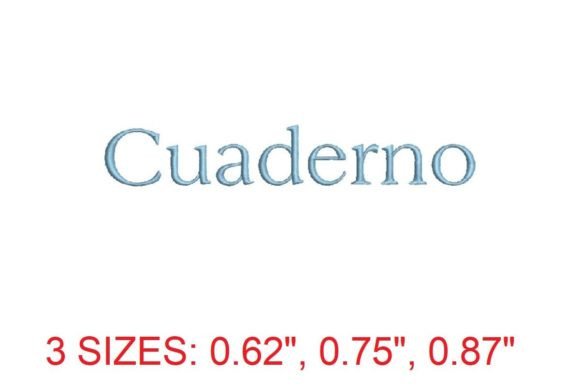
Cuaderno Embroidery Font: Crafting Personalized Elegance
Finding the right typography for tactile projects like embroidery is often more challenging than picking a font for a website. You need a typeface that not only looks good on screen but translates beautifully into thread, maintaining clarity and charm despite the physical constraints of stitching. This is where the Cuaderno embroidery font steps in, offering a solution that bridges the gap between digital design and physical craftsmanship. It brings a level of sophistication to needlework that standard block letters simply cannot match.
The Aesthetic Appeal of Hand-Stitched Sophistication
Visually, the Cuaderno typeface strikes a balance between structure and fluidity. It isn't a rigid, sterile sans-serif, nor is it a chaotic script that becomes unreadable when stitched. Instead, it possesses a distinct personality—often characterized by clean lines that allow for smooth needle paths and clear legibility even at smaller scales. For designers and makers, this is crucial. A premium font for embroidery needs to handle the "pull" of fabric tension without distorting the letterforms.
The character of this font lends itself well to a variety of moods. It can feel professional and corporate when stitched onto a uniform, yet it can also feel intimate and warm when used on a baby blanket or a wedding gift. This versatility is its strongest asset. It doesn't scream for attention; rather, it enhances the object it is placed upon, acting as a supporting element that elevates the overall design.
Practical Applications: From Branding to Personalized Gifts
While many people associate embroidery fonts with monograms on towels, the utility of a high-quality typeface like this extends far beyond simple personalization. It is a powerful tool for branding and product development.
Consider the small business owner creating physical products. In a saturated market, packaging and presentation are everything. Using the Cuaderno embroidery font on tote bags, aprons, or merchandise creates a tangible connection with customers that printed labels cannot replicate. It suggests quality, care, and attention to detail—values that consumers actively seek out.
Here are several practical ways to integrate this font into your workflow:
- Corporate Merchandise: Create high-end employee uniforms or client gifts. Stitching a logo or a tagline using a sophisticated embroidery typeface makes the item feel bespoke rather than mass-produced.
- Event Decor: For event planners, this font is invaluable. Imagine table runners, napkins, or chair sashes featuring the couple’s initials or the event hashtag in a cohesive, elegant style.
- Home Decor: Cushions, curtains, and quilts become statement pieces when typography is involved. A well-chosen font can turn a simple pillow into a piece of art or a family heirloom.
- Digital Mockups: Even if you aren't stitching physically, digital creators can use embroidery fonts to create realistic mockups for social media graphics or digital portfolios, adding a layer of texture to flat designs.
Ensuring Readability and Professional Presentation
One of the biggest pitfalls in embroidery design is sacrificing readability for style. A font might look stunning in a vector program, but once it is rendered in thread, the loops and swashes can merge into an unreadable mess. The design of the Cuaderno font takes this into account. The spacing (kerning) and the weight of the strokes are calibrated to ensure that each letter stands distinct.
When working on a project, always test your sizing. As noted in the technical specifications, the stitch count and dimensions vary by size. This is standard for embroidery digitization. A letter that is 1 inch tall will have fewer stitches and a different density than a letter that is 4 inches tall. Checking the provided "More Sewing Info" PDF is a step you shouldn't skip; it ensures that your machine handles the file correctly and that the final output matches your expectations.
Design Assets and File Compatibility
For the modern maker, flexibility is non-negotiable. You might be working on a Brother machine today and a Janome tomorrow, or outsourcing a specific part of a project to a collaborator who uses a different system. The Cuaderno embroidery font is designed to be a versatile asset in your library, provided in multiple formats to ensure compatibility across different hardware and software environments.
This adaptability makes it a smart investment for design assets. Instead of buying a one-off font for a single project, you acquire a tool that can be used repeatedly across different commercial and personal applications. Whether you are running a small embroidery business or simply enjoy creating gifts for friends and family, having a reliable, multi-format font in your toolkit saves time and prevents technical headaches.
Integrating Typography into Your Brand Identity
Typography is the voice of your brand. Just as you wouldn't speak to a client in a monotone drone, you shouldn't present your visual identity using a default, generic font. If your brand values elegance, tradition, or handcrafted quality, the Cuaderno typeface communicates that instantly.
When pairing fonts for a larger campaign—for example, if you are designing a logo that includes both an icon and text—consider how the embroidery font interacts with your primary digital typeface. You want a cohesive look. If your website uses a modern sans-serif, ensure the embroidery font complements it. They don't need to be identical, but they should share a similar "vibe" or weight distribution to maintain visual consistency.
Ultimately, the goal is to create an experience. When a customer receives a package with a hand-stitched label or sees a social media post featuring textured typography, they engage with your brand on a deeper level. It feels more human, more intentional, and more memorable. By carefully selecting and applying a font like Cuaderno, you are doing more than just adding text to fabric; you are curating an identity.