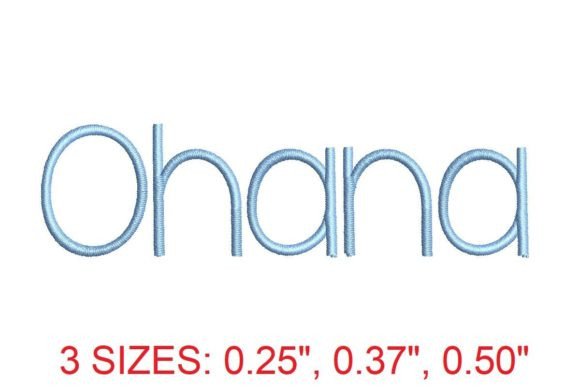
Ohana Embroidery Font: A Designer's Guide to Stitching Perfection
There’s a unique satisfaction in seeing a design go from a digital file to a tangible, stitched creation. For those of us who work with embroidery, the choice of font is where the personality of a piece truly comes to life. It’s not just about legibility on screen; it’s about how the letters will translate to thread, how the curves will guide the needle, and how the final texture will feel. This is where a typeface designed specifically for the medium, like the Ohana Embroidery Font, becomes an indispensable tool in your creative arsenal.
Understanding the Craft Behind the Characters
From Brand Identity to Handmade Heirlooms
Let’s talk practical application. For entrepreneurs and creators, consistent branding is everything. Ohana can become a cornerstone of your brand identity when used across physical products. Think of the cohesive look you can achieve:
- Branded Merchandise: Stitch your logo onto hats, tote bags, or polo shirts. The font’s clarity at various sizes ensures your brand name remains legible and impactful.
- Packaging & Labels: Add a luxurious, handmade feel to product packaging. A monogram or product name stitched onto a fabric tag or directly onto the item itself elevates perceived value instantly.
- Client Gifts & Invitations: Create unforgettable, personalized gifts or event invitations. A beautifully embroidered monogram on a napkin or a framed piece of art carries a weight that digital print cannot match.
Making Smart Design Choices with Your Font
Choosing the right font style is just the first step. How you use it determines the success of your design. Here’s some practical advice for integrating a creative font like Ohana into your workflow:
- Match to the Mood: Ohana’s elegant script personality is perfect for projects that call for a personal, artisanal, or luxurious touch. It might not be the best fit for a tech startup’s primary logo, but it’s ideal for a boutique bakery’s packaging or a wedding planner’s promotional materials.
- Consider the Scale: While the font is designed for clarity, extremely small sizes can still be challenging in embroidery. The detailed PDF is your best friend here—review the dimensions for your intended letter height to ensure the details will stitch out cleanly.
- Pair with Purpose: In a broader design system (like a website or marketing brochure), you might pair Ohana with a clean sans serif font for body text. This creates a beautiful contrast, allowing the embroidered element to be a standout feature without overwhelming the entire visual composition.
- Test for Readability: Always do a test stitch on your final fabric. A design that looks perfect on screen might need adjustments in density or underlay when stitched on a nubby sweater versus a smooth cotton. Readability is paramount.
Remember, a great typeface is a tool that serves a purpose. Ohana’s purpose is to bring warmth, elegance, and a tangible quality to your text-based designs. It’s a modern typography solution that bridges the gap between digital design and physical craft, offering endless possibilities for those willing to explore the art of stitching.
Ultimately, the true value of a commercial font like Ohana lies in its ability to transform an idea into a tactile experience. It’s not just about spelling out a word; it’s about creating a texture, a memory, and a piece of art that people can see and feel. Whether you’re building a product line or creating a one-of-a-kind gift, having a reliable, beautiful, and technically sound embroidery font in your toolkit is a game-changer. It allows you to focus on the creative vision, confident that the technical foundation is solid. So, thread your needle, load the file, and start creating something that will be cherished for years to come.