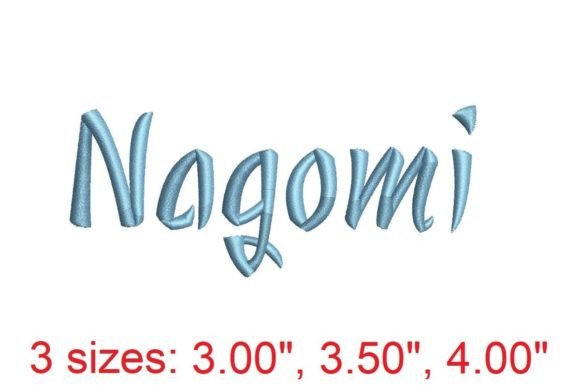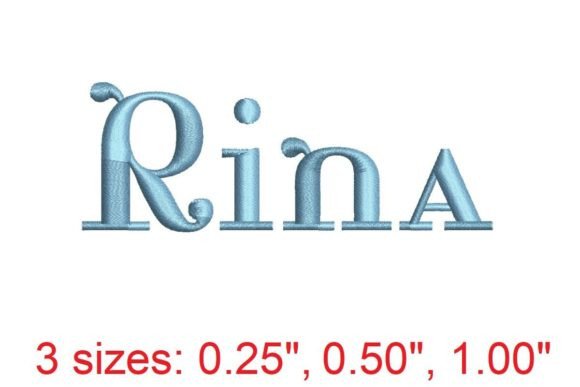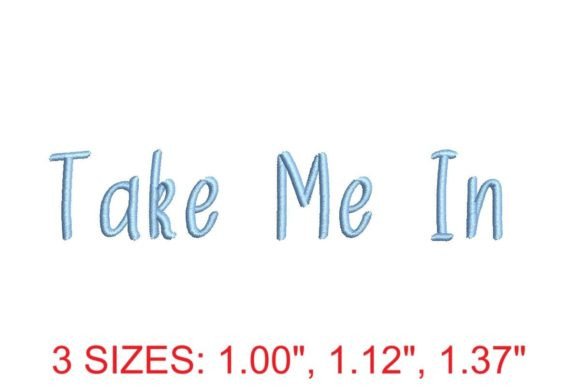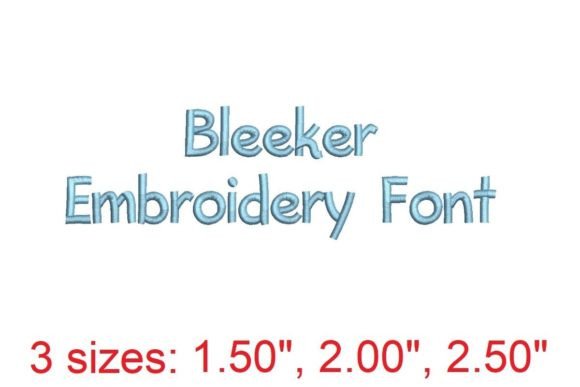
Autoradiographic Embroidery Font: Blending Artistry & Function
There’s a unique satisfaction in seeing a design come to life through thread. The tactile quality, the subtle sheen, the way a well-executed embroidery piece can elevate a simple tote bag into a branded statement or transform a basic polo into professional workwear. But the foundation of any great embroidered project often starts with a single element: the typography. The wrong font can look clumsy, the stitches too dense or too sparse, and the final product feels amateurish. This is where a specialized tool like the Autoradiographic embroidery font changes the game, offering a solution crafted specifically for the medium of thread and fabric.
More Than Just Letters: The Anatomy of a Purpose-Built Font
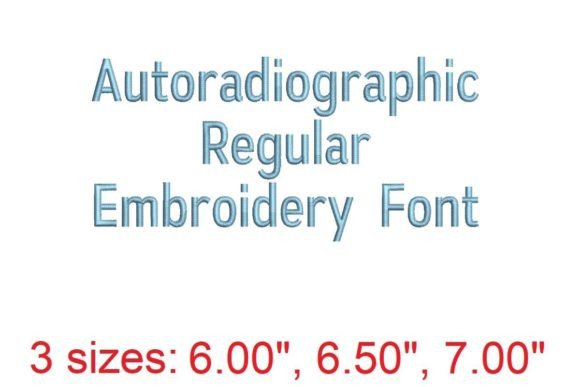
Autoradiographic isn't a standard digital typeface hastily converted for stitching. It’s a premium font designed from the ground up with the embroidery machine’s needle in mind. Its elegant and intricate design features carefully planned stitch paths, optimal density, and thoughtful underlay to ensure clean, professional-quality results on a variety of fabrics. The result is a typeface that boasts excellent readability even at smaller sizes, a common challenge in embroidery where letters can easily become muddy blobs of thread. The visual appeal lies in its balanced proportions and subtle detailing, which add a touch of sophistication without overwhelming the overall design. It’s a display font that understands its physical constraints and turns them into strengths.
For the designer or small business owner, this means moving beyond guesswork. Instead of wondering if a delicate script will survive the stitch-out, you can trust that the letterforms have been engineered for clarity and durability. This font is part of a modern typography toolkit that bridges the gap between digital design and physical production, ensuring what you envision on screen is what you get on fabric.
Practical Applications: From Brand Identity to Personal Projects
The true value of a creative font like Autoradiographic lies in its versatility. It’s a design asset that can serve multiple roles across a project or a business.
- Brand Identity & Logo Design: For businesses that use embroidery as a key branding touchpoint—think boutique hotels, artisanal food brands, or high-end apparel companies—this font provides a consistent, recognizable element. Using it on staff uniforms, merchandise, and packaging creates a cohesive brand experience that feels intentional and polished.
- Merchandise & Product Personalization: Small business owners can use this font to add a professional finish to their products. Imagine custom-embroidered hats, jackets, or baby blankets where the name or monogram looks impeccably crafted. It’s a tool for adding value and a personal touch.
- Special Events & Invitations: For milestone events like weddings, anniversaries, or corporate galas, embroidered elements on invitations, napkins, or favors make for unforgettable keepsakes. The elegance of Autoradiographic lends itself perfectly to these occasions, offering a level of sophistication that printed text can’t match.
- Home Decor & Artisan Crafts: Hobbyists and crafters can use this typeface to create beautiful wall art, personalized pillows, or decorative samplers. The intricate design invites close inspection, making each piece a conversation starter.
By integrating this font into your workflow, you’re not just choosing a style; you’re adopting a system that supports visual consistency across all your embroidered materials, strengthening brand recognition and audience engagement through every stitch.
Integrating Autoradiographic Into Your Creative Workflow
Adopting a new design asset should be seamless. Here’s how to think about using this embroidery font effectively.
Consider the Context: The personality of Autoradiographic is refined and somewhat traditional, making it ideal for projects where elegance, heritage, or artisanal quality are key messages. It pairs beautifully with clean, simple sans-serif fonts in broader branding materials, allowing the embroidered element to stand out as a premium feature. When matching typography to project goals, ask if the font’s character aligns with the brand voice you’re aiming to project.
Test and Plan: Before committing to a large production run, always do a test stitch-out on the same fabric you plan to use. This allows you to verify readability, check tension, and confirm the final size. The download includes detailed information on dimensions and stitch counts for each character, which is invaluable for planning material costs and production time. Reviewing the full set of 156 letters ensures you have the complete linguistic range needed for your projects.
Think in Systems: Great design often involves pairing. While Autoradiographic excels as a headline or monogram font, consider how it will interact with other text elements in a layout. For a website header or social media graphic featuring an embroidered texture, you might use the font for the key title and pair it with a legible sans-serif for body copy. This creates a dynamic visual hierarchy that guides the viewer’s eye.
Key Considerations for Commercial and Creative Use
When investing in a commercial font, clarity on usage is paramount. Autoradiographic comes with licensing that covers a wide range of applications, from personal projects to commercial merchandise, which is essential for entrepreneurs and content creators planning to sell finished goods. Always review the specific terms to ensure they align with your business model.
From a technical standpoint, the font’s availability in multiple embroidery file formats ensures compatibility with most major embroidery machines, reducing the friction between design and production. This makes it a practical addition to any designer’s toolkit, whether you’re working in a home studio or a professional production environment.
Ultimately, the Autoradiographic embroidery font is more than a set of letters. It’s a bridge between the digital and the tangible, a tool that empowers you to infuse your projects with a level of craftsmanship and intentionality that resonates deeply in a handmade market. It’s about giving your words weight, your brand a texture, and your creations a lasting impression that goes beyond the visual to become something truly felt.